Enterprise VR · Eight years
Strivr Labs
Building and leading the creative studio behind the #1 enterprise VR platform.
Director of Immersive Content
Overview
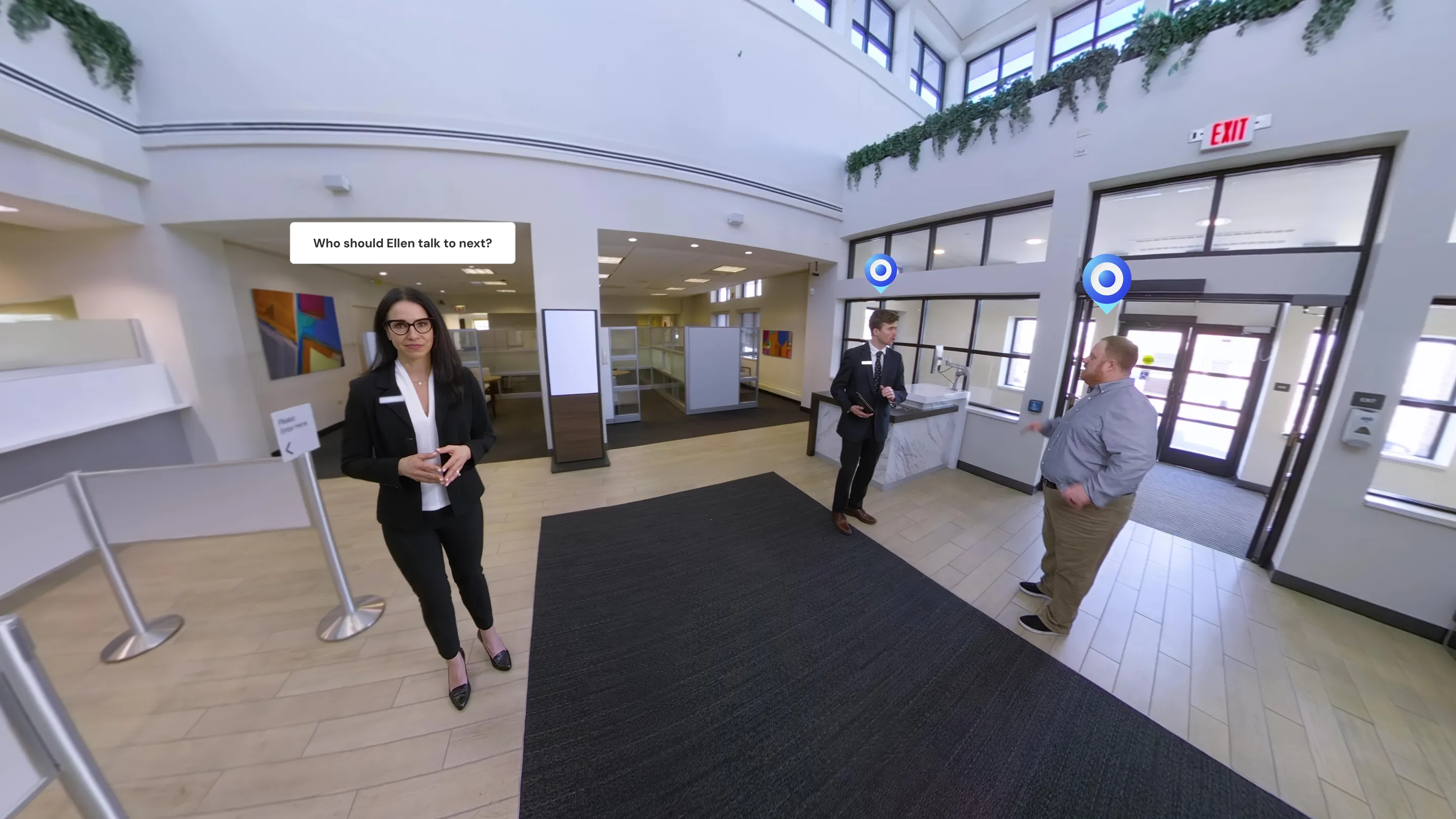
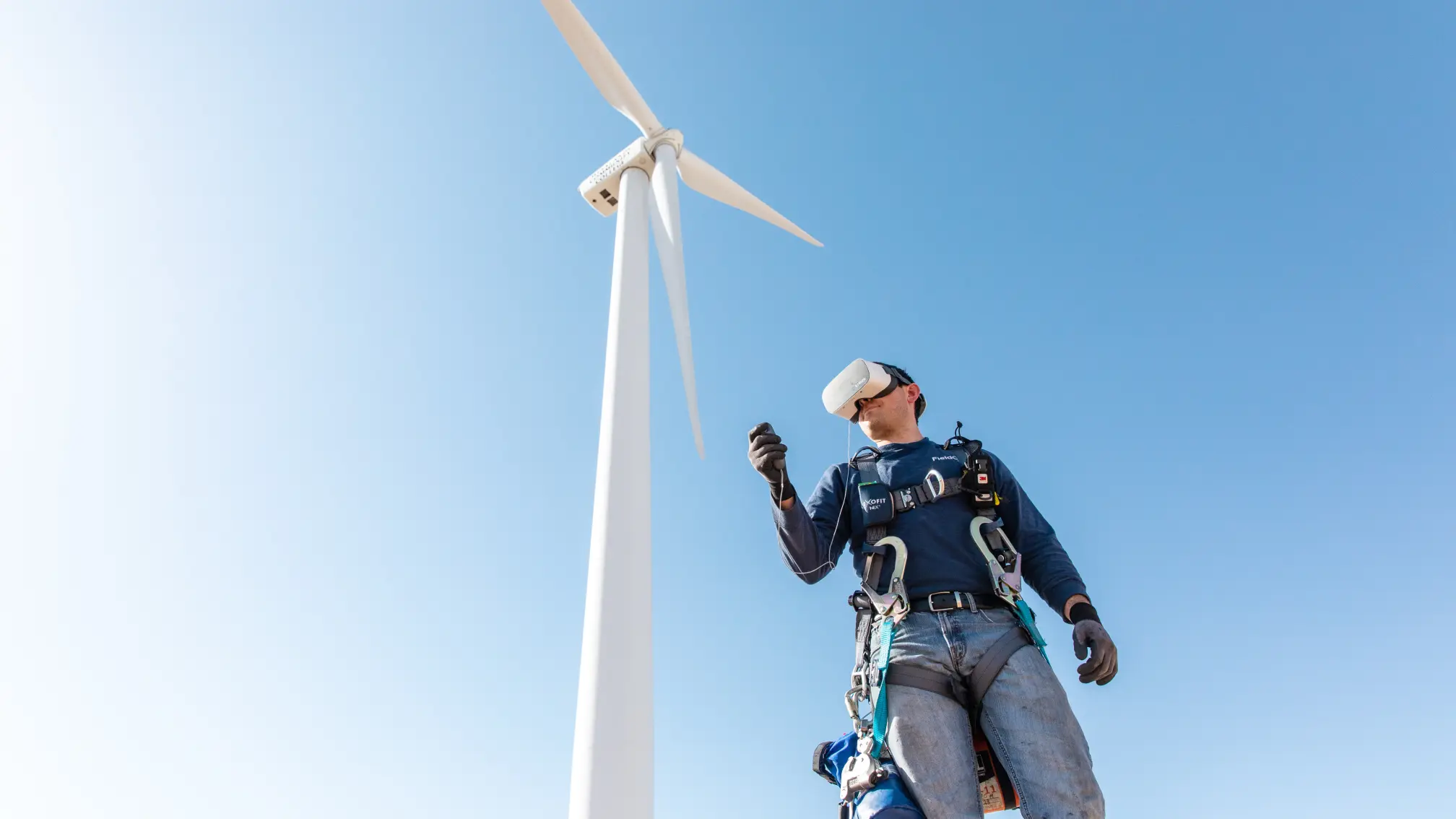
Strivr trains the Fortune 500's frontline in VR—including Walmart, Amazon, and Verizon. Joining in 2018, I spent eight years shaping the studio from the ground up. I established the creative standard, halved delivery times, and scaled output to hundreds of experiences reaching over a million learners. I left having built a world-class creative department, proudest of the designers I led and mentored.
Scope: Creative direction · Studio leadership · System design · Client strategy
Highlights
Select case studies
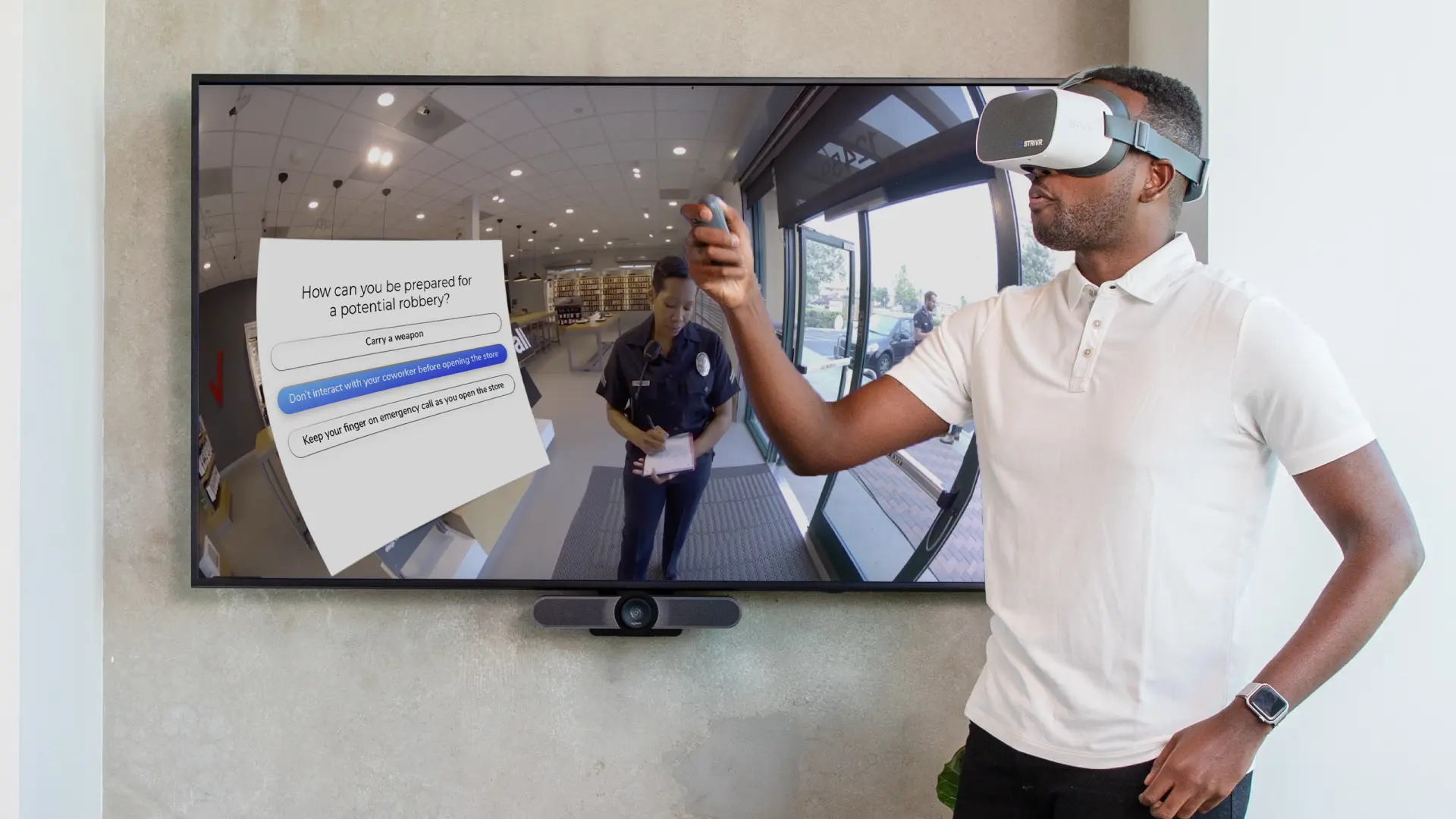
I directed the high-stakes pilots that scaled our largest enterprise accounts — and kept directing them after I was running the studio. Because of the nature of those Fortune 500 partnerships, my deepest directing work is under NDA. You can unlock the protected case studies below — the password is available upon request.
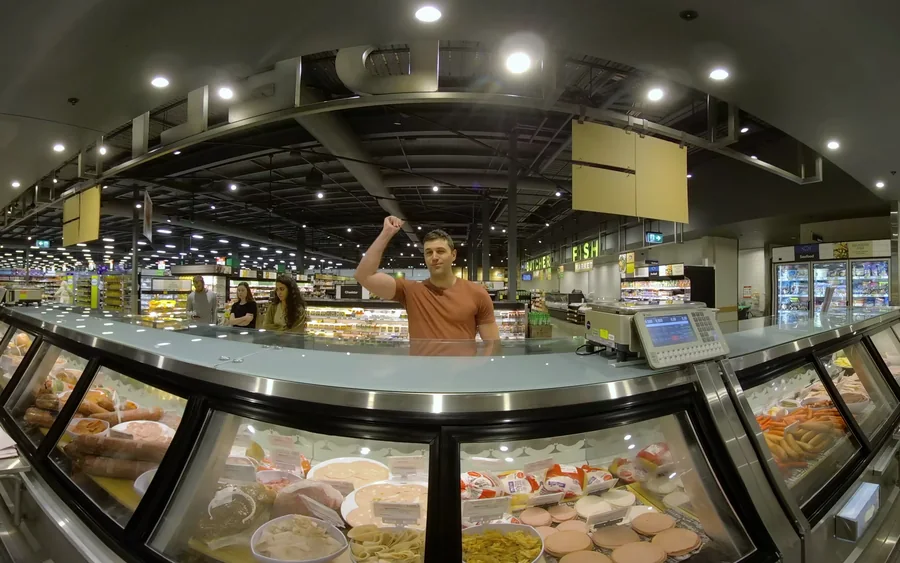
Woolworths
The flagship pilot that scaled to 46,000 frontline workers.
Unlock case study →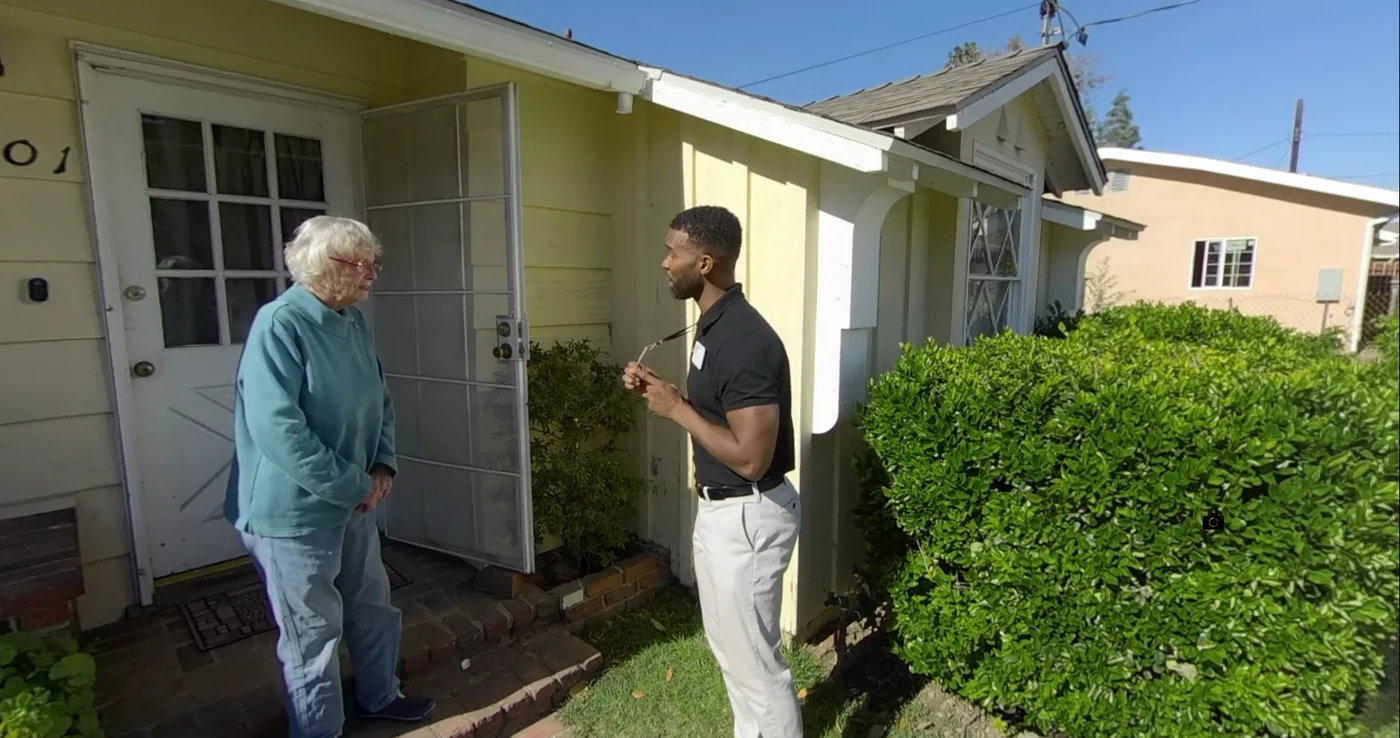
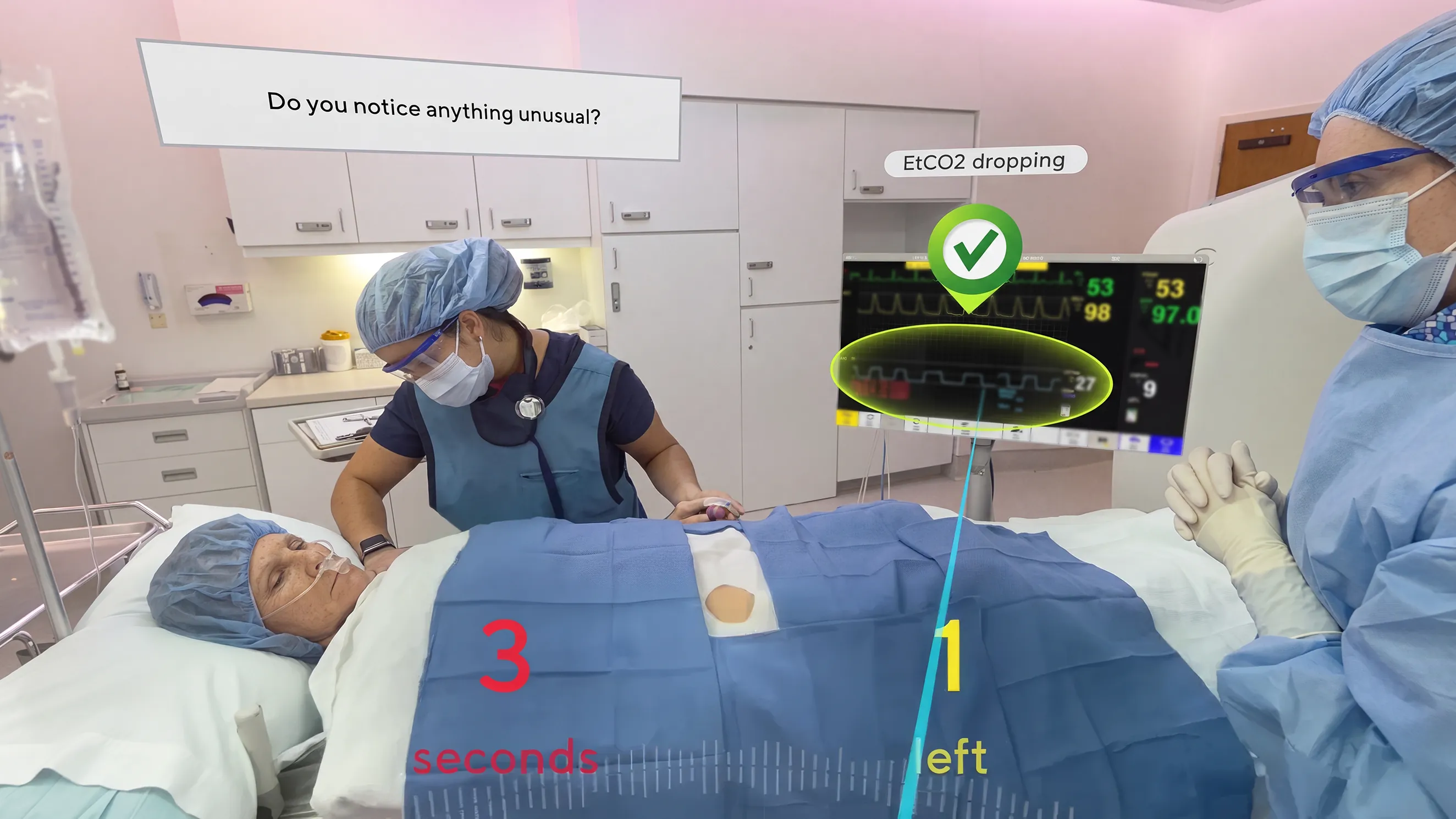
In-Home Care Training
VR training for home caregivers across three escalating patient visits.
Unlock case study →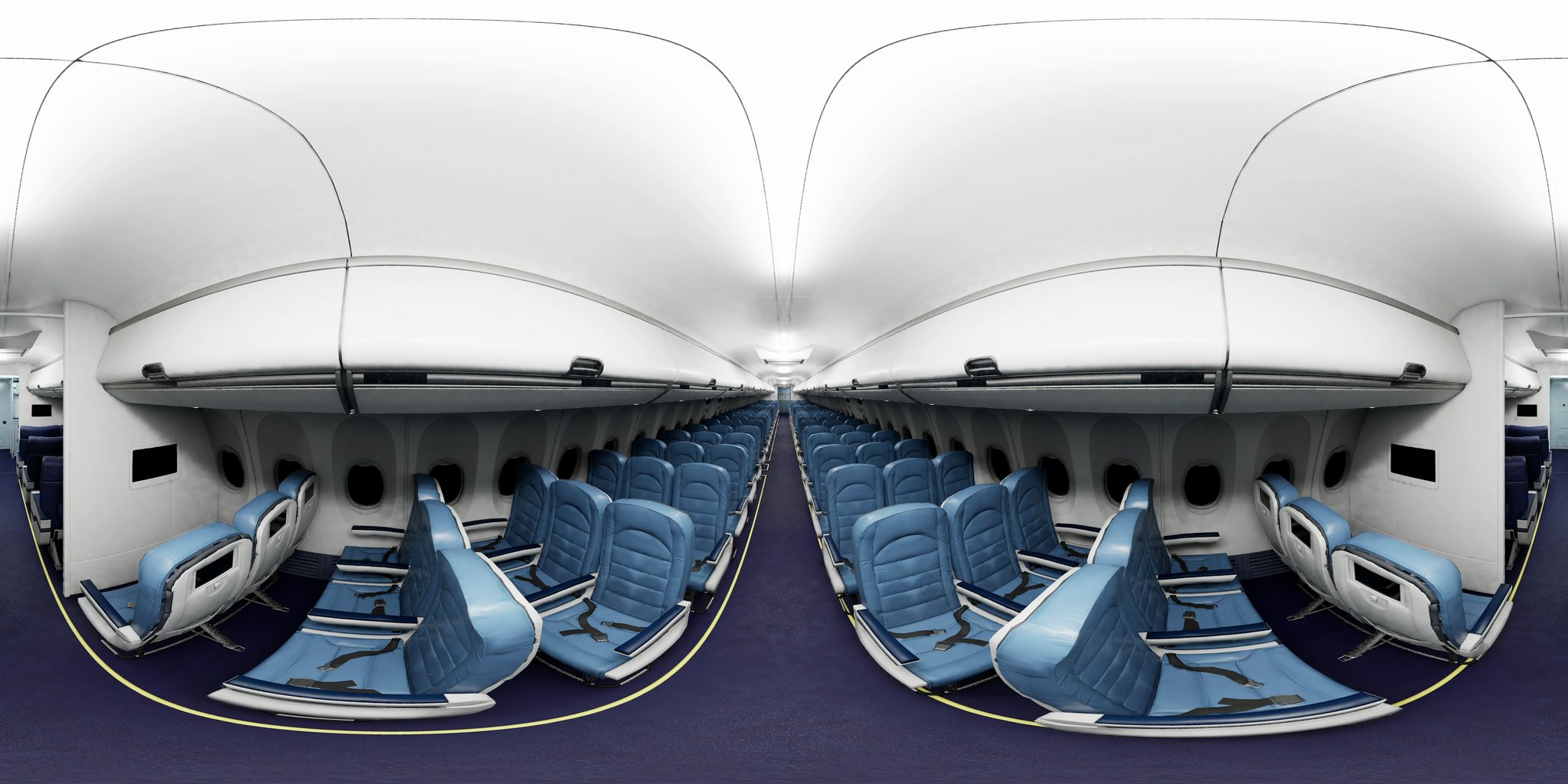
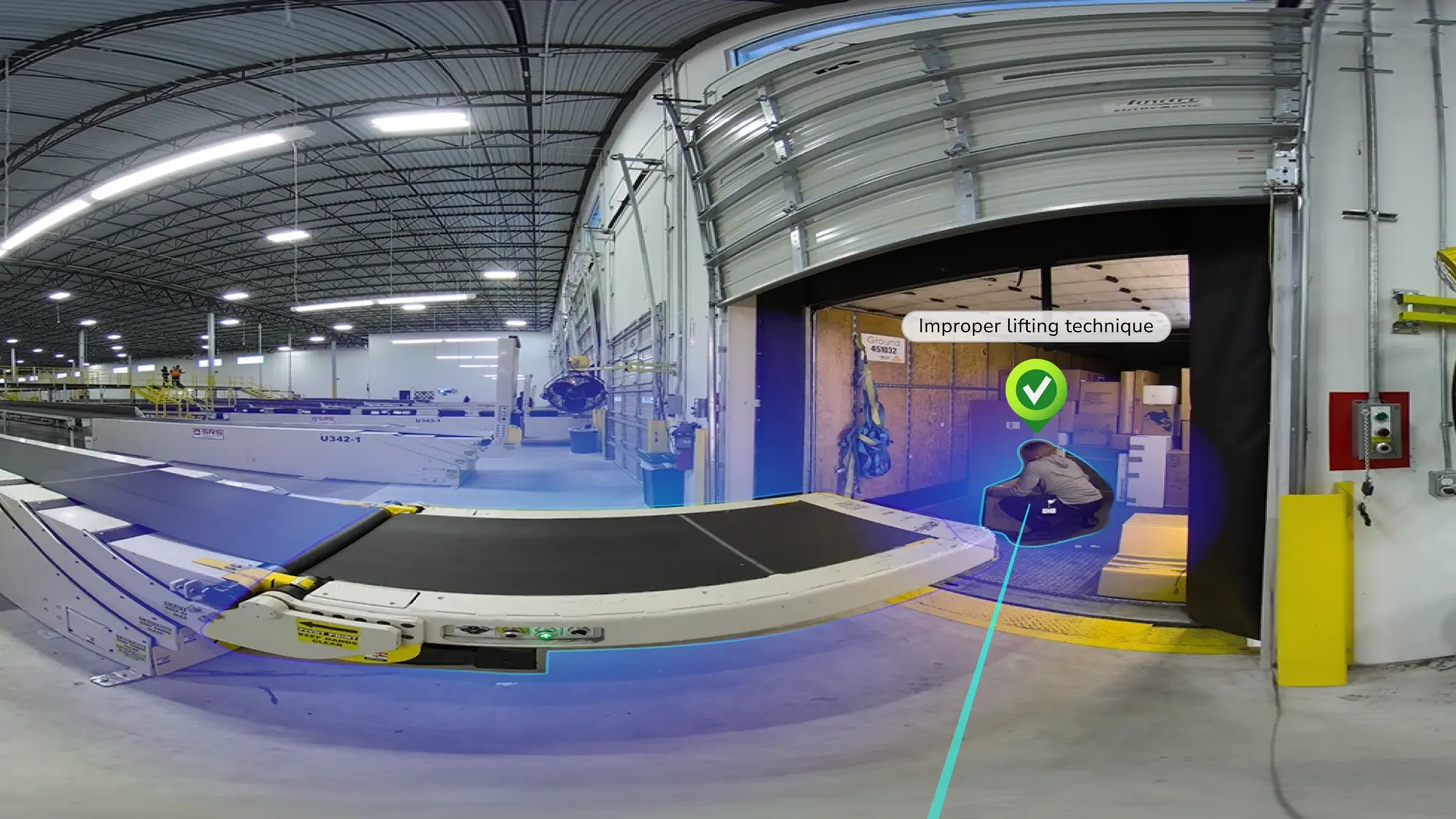
“Project Airline”
A high-fidelity R&D environment built to intentionally break and rebuild our CG pipeline.
View project →Design philosophy
The non-negotiables for directing VR
Enterprise VR is an unforgiving medium: get it wrong in one direction and you're making people sick, get it wrong in the other and you've built something nobody learns from. Production is highly technical, user tolerances vary, and at scale, creative quality degrades fast unless you build systems that defend it. No matter the client or content, these are my simple rules:
Cast the learner
I write the user into the story. Characters look them in the eye, choices belong to them, and instruction arrives through narrative instead of a wall of text. I design encounters, not lectures—because feeling the weight of your own decisions is what actually changes behavior.
Protect presence
In VR, there is no frame and nowhere for weak direction to hide. I measure every single decision against presence. I design for naturalism over total realism, because the moment a world's logic breaks, the user remembers they're in a headset—and downgrades from participant to spectator.
Earn their engagement
Assuming the headset alone creates engagement is the first trap. I never rely on the novelty of the medium. Instead, I earn their attention by weaving emotional stakes and behavioral choices together, pacing information to keep learners curious rather than overwhelmed.


Press